Connect With Us


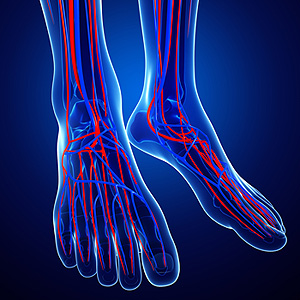
Reduced blood flow in the lower limbs can be a common problem as you get older. If you have poor circulation in your feet and ankles, exercising regularly may help. There are a variety of exercises that are tailored to your specific needs and abilities that you can do. Taking regular walks is just one low-cost way to get moving. You can also exercise your legs with stretches while laying down, sitting, or standing. If you sit at a desk for work, you might incorporate some quick heel and toe raises. To do this exercise, sit with both feet flat on the floor in front of you. Raise both of your heels and hold for three seconds. Repeat this 10 times. Next, raise just your toes and hold for three seconds. Repeat 10 times. For more information on how to increase lower limb circulation, please consult with a podiatrist.
Poor circulation is a serious condition and needs immediate medical attention. If you have any concerns with poor circulation in your feet contact Scott Matthews, DPM, MD of Salem Foot Care . Our doctor will treat your foot and ankle needs.
Poor Circulation in the Feet
Poor blood circulation in the feet and legs is can be caused by peripheral artery disease (PAD), which is the result of a buildup of plaque in the arteries.
Plaque buildup or atherosclerosis results from excess calcium and cholesterol in the bloodstream. This can restrict the amount of blood which can flow through the arteries. Poor blood circulation in the feet and legs are sometimes caused by inflammation in the blood vessels, known as vasculitis.
Causes
Lack of oxygen and oxygen from poor blood circulation restricts muscle growth and development. It can also cause:
Those who have diabetes or smoke are at greatest risk for poor circulation, as are those who are over 50. If you have poor circulation in the feet and legs it may be caused by PAD and is important to make changes to your lifestyle in order to reduce risk of getting a heart attack or stroke. Exercise and maintaining a healthy lifestyle will dramatically improve conditions.
As always, see a podiatrist as he or she will assist in finding a regimen that suits you. A podiatrist can also prescribe you any needed medication.
If you have any questions please feel free to contact our office located in Wikesboro, NC . We offer the newest diagnostic and treatment technologies for all your foot and ankle needs.

The ankle is a complex joint composed of bones and ligaments. It is critical for movement and balance. Because the ankle works so hard during walking, running, and jumping, it can become sprained, or fractured—especially during sports and other physical activities. Sprains occur when the ligaments that connect ankle bones and provide stability become injured. This can happen when the ligaments are overly stretched, partially torn, or completely torn. Ankle sprains can cause inflammation, bruising, swelling, and pain of varying degrees. Fractures are actual breaks in one or more of the ankle bones and are usually due to acute trauma. Stress fractures are tiny cracks in the bone that develop over time. Both types of fractures cause pain and swelling, although stress fractures may produce more gradual pain and less swelling than a regular break in the bone. A podiatrist can assess and diagnose any pain in the ankle and treat it accordingly.
Ankle pain can have many different causes and the pain may potentially be serious. If you have ankle pain, consult with Scott Matthews, DPM, MD from Salem Foot Care . Our doctor will assess your condition and provide you with quality foot and ankle treatment.
Ankle pain is any condition that causes pain in the ankle. Due to the fact that the ankle consists of tendons, muscles, bones, and ligaments, ankle pain can come from a number of different conditions.
Causes
The most common causes of ankle pain include:
Symptoms
Symptoms of ankle injury vary based upon the condition. Pain may include general pain and discomfort, swelling, aching, redness, bruising, burning or stabbing sensations, and/or loss of sensation.
Diagnosis
Due to the wide variety of potential causes of ankle pain, podiatrists will utilize a number of different methods to properly diagnose ankle pain. This can include asking for personal and family medical histories and of any recent injuries. Further diagnosis may include sensation tests, a physical examination, and potentially x-rays or other imaging tests.
Treatment
Just as the range of causes varies widely, so do treatments. Some more common treatments are rest, ice packs, keeping pressure off the foot, orthotics and braces, medication for inflammation and pain, and surgery.
If you have any questions, please feel free to contact our office located in Wikesboro, NC . We offer the newest diagnostic and treatment technologies for all your foot care needs.

If you love high heels, you should be aware that wearing them regularly can take a toll on your feet and may lead to conditions like hammertoes, corns, bunions, Morton’s neuroma, plantar fasciitis, Haglund's deformity (pump bump), and more. While it may be difficult to completely kick the high heel habit, you can lessen their impact and help protect your feet. Take the heels off whenever you can throughout the day and stretch your feet. Alternate heels with flats every other day. Choose shoes that are well made and comfortable with a padded sole. Instead of slip-on, or open back high heels, wear shoes that cover more of your foot and cradle them more securely. Make sure they fit properly both in length and width. Heels that are lower are better, as are wider heels which help distribute weight more evenly. Additionally, a podiatrist may provide custom orthotics to help alleviate pressure points and provide cushion and support where it is needed. A podiatrist may also help you prevent a developing foot condition from worsening, or treat one that has already occurred.
High heels have a history of causing foot and ankle problems. If you have any concerns about your feet or ankles, contact Scott Matthews, DPM, MD from Salem Foot Care . Our doctor can provide the care you need to keep you pain-free and on your feet.
Effects of High Heels on the Feet
High heels are popular shoes among women because of their many styles and societal appeal. Despite this, high heels can still cause many health problems if worn too frequently.
Which Parts of My Body Will Be Affected by High Heels?
What Kinds of Foot Problems Can Develop from Wearing High Heels?
How Can I Still Wear High Heels and Maintain Foot Health?
If you want to wear high heeled shoes, make sure that you are not wearing them every day, as this will help prevent long term physical problems. Try wearing thicker heels as opposed to stilettos to distribute weight more evenly across the feet. Always make sure you are wearing the proper shoes for the right occasion, such as sneakers for exercising. If you walk to work, try carrying your heels with you and changing into them once you arrive at work. Adding inserts to your heels can help cushion your feet and absorb shock. Full foot inserts or metatarsal pads are available.
If you have any questions please feel free to contact our office located in Wikesboro, NC . We offer the newest diagnostic and treatment technologies for all your foot and ankle needs.

Plantar warts are small growths that develop on parts of the feet that bear weight. They're typically found on the bottom of the foot. Don't live with plantar warts, and call us today!
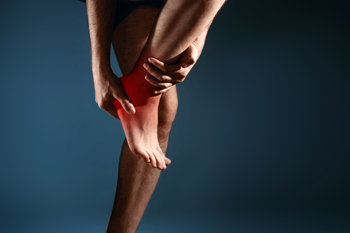
The metatarsal bones connect the toes with the mid-and-hind-foot bones. Because they are weight-bearing bones, they can become overly pressured, which can cause pain or burning in the ball of the foot, or a tingling/numb feeling in the toes. When this occurs, it is known as metatarsalgia. It is believed that women may be more at risk for developing metatarsalgia, along with those who wear high heels extensively or have a job that requires prolonged standing. Metatarsalgia may also be preceded by bunions or other foot conditions like hammertoes or Morton’s neuroma. If you have pain in the ball of your foot, it is suggested that you make an appointment with a podiatrist for an exam. If you are diagnosed with metatarsalgia, custom metatarsal orthotics, shoe modifications, and other treatments may be used to help ease the pain you are experiencing.
Foot Pain
Foot pain can be extremely painful and debilitating. If you have a foot pain, consult with Scott Matthews, DPM, MD from Salem Foot Care . Our doctor will assess your condition and provide you with quality foot and ankle treatment.
Causes
Foot pain is a very broad condition that could be caused by one or more ailments. The most common include:
Diagnosis
To figure out the cause of foot pain, podiatrists utilize several different methods. This can range from simple visual inspections and sensation tests to X-rays and MRI scans. Prior medical history, family medical history, and any recent physical traumatic events will all be taken into consideration for a proper diagnosis.
Treatment
Treatment depends upon the cause of the foot pain. Whether it is resting, staying off the foot, or having surgery; podiatrists have a number of treatment options available for foot pain.
If you have any questions, please feel free to contact our office located in Wikesboro, NC . We offer the newest diagnostic and treatment technologies for all your foot care needs.
 Whether you are heading out for a quick day hike or plan on camping and hiking for a few days, there are measures that can be implemented to ensure that your feet are up to the task. One of the most common conditions that can wreak havoc on the feet during a hike is developing an ingrown toenail. Having long toenails can cause discomfort, but cutting the nails too short and having them grow into the skin can be excruciating. The best advice to help prevent ingrown toenails is to cut the toenails straight across and not too short before you even leave for a hike. The next step is to make sure that your shoes or hiking boots fit properly by ensuring the back of the heel sits tight to the back of the shoe, but the toes can still wiggle. Once hiking, any discomfort to the feet should be addressed right away. This can be accomplished by changing socks and bandaging any areas that may be forming blisters. After the hike it is important not to pop any blisters on the feet in order to reduce the risk of infection. If you have questions about keeping your feet healthy during your next hike or camping trip, it is suggested that you consult with a podiatrist.
Everyday foot care is very important to prevent infection and other foot ailments. If you need your feet checked, contact Scott Matthews, DPM, MD from Salem Foot Care . Our doctor can provide the care you need to keep you pain-free and on your feet.
Everyday Foot Care
Often, people take care of their bodies, face and hair more so than they do for their feet. But the feet are a very important aspect of our bodies, and one that we should pay more attention to. Without our feet, we would not be able to perform most daily tasks.
It is best to check your feet regularly to make sure there are no new bruises or cuts that you may not have noticed before. For dry feet, moisturizer can easily be a remedy and can be applied as often as necessary to the affected areas. Wearing shoes that fit well can also help you maintain good foot health, as well as making it easier to walk and do daily activities without the stress or pain of ill-fitting shoes, high heels, or even flip flops. Wearing clean socks with closed shoes is important to ensure that sweat and bacteria do not accumulate within the shoe. Clean socks help to prevent Athlete’s foot, fungi problems, bad odors, and can absorb sweat.
If you have any questions please feel free to contact our office located in Wikesboro, NC . We offer the newest diagnostic and treatment technologies for all your foot and ankle needs.
Connect With Us
