Connect With Us


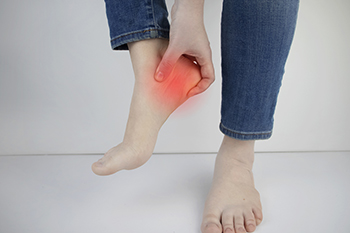
The discomfort that comes from plantar fasciitis can cause difficulty in completing daily activities. It is felt in the heel, and if left untreated, the pain can become debilitating. This can happen as a result of an inflamed plantar fascia, which is the band of tissue that runs along the sole of the foot connecting the heel to the toes. There are various reasons plantar fasciitis may develop, including wearing shoes that do not have adequate cushioning in the heel area, or from standing on hard surfaces for extended periods of time. Obesity can contribute to developing this condition, in addition to overuse that can happen from exercising or participating in any sport that impacts the plantar fascia. Heel pain may be worse in the morning upon arising, and performing specific stretches may help to reduce the pain. Plantar fasciitis is treated by a podiatrist, and if you have developed this uncomfortable foot condition, it is strongly suggested that you consult with this type of doctor who can provide you with relief options.
Plantar fasciitis is a common foot condition that is often caused by a strain injury. If you are experiencing heel pain or symptoms of plantar fasciitis, contact Scott Matthews, DPM, MD from Salem Foot Care . Our doctor can provide the care you need to keep you pain-free and on your feet.
What Is Plantar Fasciitis?
Plantar fasciitis is one of the most common causes of heel pain. The plantar fascia is a ligament that connects your heel to the front of your foot. When this ligament becomes inflamed, plantar fasciitis is the result. If you have plantar fasciitis you will have a stabbing pain that usually occurs with your first steps in the morning. As the day progresses and you walk around more, this pain will start to disappear, but it will return after long periods of standing or sitting.
What Causes Plantar Fasciitis?
There are some risk factors that may make you more likely to develop plantar fasciitis compared to others. The condition most commonly affects adults between the ages of 40 and 60. It also tends to affect people who are obese because the extra pounds result in extra stress being placed on the plantar fascia.
Prevention
There are a variety of treatment options available for plantar fasciitis along with the pain that accompanies it. Additionally, physical therapy is a very important component in the treatment process. It is important that you meet with your podiatrist to determine which treatment option is best for you.
If you have any questions, please feel free to contact our office located in Wikesboro, NC . We offer the newest diagnostic and treatment technologies for all your foot care needs.
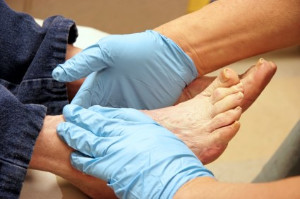
Since diabetes can cause side effects that negatively affect the feet, experts believe that a regular foot care routine can be helpful. One major foot problem experienced by diabetics is nerve damage. This can cause weakness, numbness, and pain in the feet and toes. In addition, nerve damage, or neuropathy, makes it difficult for the diabetic to feel sores, cuts, or blisters. The danger is that wounds that are slow to heal invite infection, which may quickly develop into skin ulcers on the feet. Here are some tips for diabetic foot care suggested by professionals. Above all, do a daily check of your feet, including the soles, for any cuts, sores, or other abnormalities. Avoid walking barefoot, as an open or undetected cut may be vulnerable to fungal or bacterial infection. Keep your feet clean and carefully dried, especially between the toes. Give up smoking, and keep toenails trimmed straight across. For more help with foot pain or other problems that can stem from diabetes, please consult a podiatrist regularly for checkups and treatment options.
Diabetic foot care is important in preventing foot ailments such as ulcers. If you are suffering from diabetes or have any other concerns about your feet, contact Scott Matthews, DPM, MD from Salem Foot Care . Our doctor can provide the care you need to keep you pain-free and on your feet.
Diabetic Foot Care
Diabetes affects millions of people every year. The condition can damage blood vessels in many parts of the body, especially the feet. Because of this, taking care of your feet is essential if you have diabetes, and having a podiatrist help monitor your foot health is highly recommended.
The Importance of Caring for Your Feet
Patients with diabetes should have their doctor monitor their blood levels, as blood sugar levels play such a huge role in diabetic care. Monitoring these levels on a regular basis is highly advised.
It is always best to inform your healthcare professional of any concerns you may have regarding your feet, especially for diabetic patients. Early treatment and routine foot examinations are keys to maintaining proper health, especially because severe complications can arise if proper treatment is not applied.
If you have any questions please feel free to contact our office located in Wikesboro, NC . We offer the newest diagnostic and treatment technologies for all your foot and ankle needs.
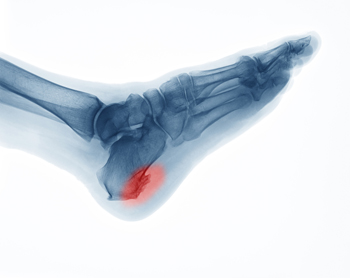
A small growth that develops on the heel bone may be indicative of a heel spur. It may be accompanied by a ligament or muscle strain, which may cause the tissue that connects the heel to the ball of the foot to become overstretched. Heel spurs are easily noticed when an X-ray is taken, and bigger heel spurs may be felt by the patient. Many people complain of heel pain when a heel spur has developed, and it may help to wear shoes that have added cushioning in the heel area. Relief tactics may include performing specific stretches or wearing a compression wrap that can provide extra support. A heel spur is caused by repetitive motion from excessive running, an imbalance in foot structure, or from being overweight. This is a foot condition that is treated by a podiatrist. If you are afflicted with this ailment, please consult this type of doctor who can guide you toward effective treatment options, which may include surgery for permanent removal.
Heel spurs can be incredibly painful and sometimes may make you unable to participate in physical activities. To get medical care for your heel spurs, contact Scott Matthews, DPM, MD from Salem Foot Care . Our doctor will do everything possible to treat your condition.
Heels Spurs
Heel spurs are formed by calcium deposits on the back of the foot where the heel is. This can also be caused by small fragments of bone breaking off one section of the foot, attaching onto the back of the foot. Heel spurs can also be bone growth on the back of the foot and may grow in the direction of the arch of the foot.
Older individuals usually suffer from heel spurs and pain sometimes intensifies with age. One of the main condition's spurs are related to is plantar fasciitis.
Pain
The pain associated with spurs is often because of weight placed on the feet. When someone is walking, their entire weight is concentrated on the feet. Bone spurs then have the tendency to affect other bones and tissues around the foot. As the pain continues, the feet will become tender and sensitive over time.
Treatments
There are many ways to treat heel spurs. If one is suffering from heel spurs in conjunction with pain, there are several methods for healing. Medication, surgery, and herbal care are some options.
If you have any questions feel free to contact our office located in Wikesboro, NC . We offer the latest in diagnostic and treatment technology to meet your needs.
 Nerves are essentially cells that play a significant role in facilitating the transmission of feeling and sensory information. While nerves are located throughout the human body, nerves are also located throughout the feet. When nerves are injured in the feet, an individual may develop some injury related to nerve damage. For example, an individual might develop a case of Baxter’s neuropathy, and this occurs when the inferior calcaneal nerve is ultimately compressed. Additionally, there are other kinds of nerve injuries in the feet, such as Morton’s neuroma. This particular kind of foot injury occurs when there is a significant amount of tissue that compresses or aggravates the nerves around the toe area. Tarsal tunnel syndrome is also another kind of nerve injury in the feet. If you believe that you might be living with some kind of nerve damage or injury in the feet, contact a podiatrist today for treatment.
If you have any concerns about your feet, contact Scott Matthews, DPM, MD from Salem Foot Care . Our doctor can provide the care you need to keep you pain-free and on your feet.
Biomechanics in Podiatry
Podiatric biomechanics is a particular sector of specialty podiatry with licensed practitioners who are trained to diagnose and treat conditions affecting the foot, ankle and lower leg. Biomechanics deals with the forces that act against the body, causing an interference with the biological structures. It focuses on the movement of the ankle, the foot and the forces that interact with them.
A History of Biomechanics
Modern technological improvements are based on past theories and therapeutic processes that provide a better understanding of podiatric concepts for biomechanics. Computers can provide accurate information about the forces and patterns of the feet and lower legs.
Understanding biomechanics of the feet can help improve and eliminate pain, stopping further stress to the foot.
If you have any questions please feel free to contact our office located in Wikesboro, NC . We offer the newest diagnostic and treatment technologies for all your foot and ankle needs.
Nerves are essentially cells that play a significant role in facilitating the transmission of feeling and sensory information. While nerves are located throughout the human body, nerves are also located throughout the feet. When nerves are injured in the feet, an individual may develop some injury related to nerve damage. For example, an individual might develop a case of Baxter’s neuropathy, and this occurs when the inferior calcaneal nerve is ultimately compressed. Additionally, there are other kinds of nerve injuries in the feet, such as Morton’s neuroma. This particular kind of foot injury occurs when there is a significant amount of tissue that compresses or aggravates the nerves around the toe area. Tarsal tunnel syndrome is also another kind of nerve injury in the feet. If you believe that you might be living with some kind of nerve damage or injury in the feet, contact a podiatrist today for treatment.
If you have any concerns about your feet, contact Scott Matthews, DPM, MD from Salem Foot Care . Our doctor can provide the care you need to keep you pain-free and on your feet.
Biomechanics in Podiatry
Podiatric biomechanics is a particular sector of specialty podiatry with licensed practitioners who are trained to diagnose and treat conditions affecting the foot, ankle and lower leg. Biomechanics deals with the forces that act against the body, causing an interference with the biological structures. It focuses on the movement of the ankle, the foot and the forces that interact with them.
A History of Biomechanics
Modern technological improvements are based on past theories and therapeutic processes that provide a better understanding of podiatric concepts for biomechanics. Computers can provide accurate information about the forces and patterns of the feet and lower legs.
Understanding biomechanics of the feet can help improve and eliminate pain, stopping further stress to the foot.
If you have any questions please feel free to contact our office located in Wikesboro, NC . We offer the newest diagnostic and treatment technologies for all your foot and ankle needs.

If left untreated, an ingrown toenail can lead to more serious concerns, such as an infection. Knowing proper nail care can help in the prevention of an ingrown toenail. Give us a call, and get treated!
If left untreated, an ingrown toenail can lead to more serious concerns, such as an infection. Knowing proper nail care can help in the prevention of an ingrown toenail. Give us a call, and get treated!
Connect With Us
