Connect With Us



If left untreated, an ingrown toenail can lead to more serious concerns, such as an infection. Knowing proper nail care can help in the prevention of an ingrown toenail. Give us a call, and get treated!
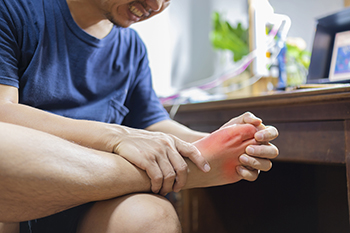
Gout, a form of inflammatory arthritis, unveils its presence through distinctive symptoms that can significantly impact an individual's quality of life. The hallmark of gout is intense joint pain, often reaching its peak during the nighttime. This excruciating pain typically targets the big toe but can affect other joints as well. Swelling and redness accompany the pain, creating a visibly discomforting experience. The affected joint may become tender to the touch, and even the lightest pressure can induce agony. Gout flares are unpredictable, with symptoms emerging suddenly and subsiding gradually. Beyond the acute episodes, persistent discomfort and stiffness may linger, affecting joint mobility. Recognizing these symptoms is essential for early intervention and management. While gout's pain levels can be overwhelming, understanding the nuances of its symptoms empowers individuals to seek timely medical attention, explore effective treatments, and regain control over their joint health. If you have symptoms of gout, it is strongly suggested that you are under the care of a podiatrist who can help you to manage this painful condition.
Gout is a foot condition that requires certain treatment and care. If you are seeking treatment, contact Scott Matthews, DPM, MD from Salem Foot Care . Our doctor will treat your foot and ankle needs.
What Is Gout?
Gout is a type of arthritis caused by a buildup of uric acid in the bloodstream. It often develops in the foot, especially the big toe area, although it can manifest in other parts of the body as well. Gout can make walking and standing very painful and is especially common in diabetics and the obese.
People typically get gout because of a poor diet. Genetic predisposition is also a factor. The children of parents who have had gout frequently have a chance of developing it themselves.
Gout can easily be identified by redness and inflammation of the big toe and the surrounding areas of the foot. Other symptoms include extreme fatigue, joint pain, and running high fevers. Sometimes corticosteroid drugs can be prescribed to treat gout, but the best way to combat this disease is to get more exercise and eat a better diet.
If you have any questions please feel free to contact our office located in Wikesboro, NC . We offer the newest diagnostic and treatment technologies for all your foot and ankle needs.
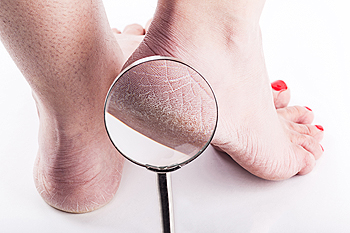
Cracked heels, a common foot condition, often result from dry and thickened skin surrounding the heel edge. While they may primarily affect appearance, they can lead to discomfort or pain and even severe issues, if left untreated. Cracked heels are often caused by dry skin, obesity, wearing poorly fitting shoes, or standing for extended periods of time. Certain conditions and risk factors may increase susceptibility. Women are more susceptible to this condition. Managing cracked heels involves actions that can include moisturizing, wearing 100 percent cotton socks, and gently rubbing thickened skin with a pumice stone. Medical treatments may be necessary for severe cases, including dead skin removal and antibiotic treatment for infections. If you have cracked heels and the condition is associated with a medical condition, or if they are persistent and severe, it is suggested that you schedule an appointment with a podiatrist for more professional guidance.
If the skin on your feet starts to crack, you may want to see a podiatrist to find treatment. If you have any concerns, contact Scott Matthews, DPM, MD from Salem Foot Care . Our doctor can provide the care you need to keep you pain-free and on your feet.
Cracked Heels
It is important to moisturize your cracked heels in order to prevent pain, bleeding, and infection. The reason cracked heels form is because the skin on the foot is too dry to support the immense pressure placed on them. When the foot expands, the dry skin on the foot begins to split.
Ways to Help Heal Them
Ways to Prevent Cracked Heels
If you are unsure how to proceed in treating cracked heels, seek guidance from a podiatrist. Your doctor will help you with any questions or information you may need.
If you have any questions, please feel free to contact our office located in Wikesboro, NC . We offer the newest diagnostic and treatment technologies for all your foot care needs.
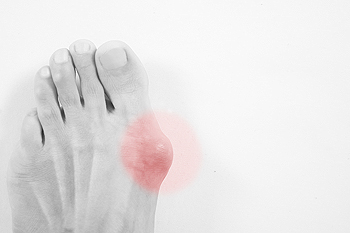
A bunion, characterized by a bony protrusion at the base of the big toe, can significantly impact everyday activities, introducing challenges and discomfort into routine tasks. Walking, a fundamental activity, becomes hindered as the misalignment of the big toe alters the foot's natural biomechanics, leading to pain and difficulty finding suitable footwear. The act of standing or even simple weight-bearing activities may provoke increased pressure on the bunion, intensifying discomfort. Selecting appropriate shoes becomes a continual challenge, as the bony prominence may not comfortably fit into regular footwear, exacerbating the interference with daily life. Activities that involve prolonged periods of standing or walking may become sources of constant discomfort, affecting productivity and overall well-being. Recognizing the interference bunions can pose underscores the importance of proactive measures, including wearing comfortable shoes. If you have a bunion, it is suggested that you are under the care of a podiatrist who can provide you with relief and treatment strategies.
If you are suffering from bunions, contact Scott Matthews, DPM, MD of Salem Foot Care . Our doctor can provide the care you need to keep you pain-free and on your feet.
What Is a Bunion?
A bunion is formed of swollen tissue or an enlargement of boney growth, usually located at the base joint of the toe that connects to the foot. The swelling occurs due to the bones in the big toe shifting inward, which impacts the other toes of the foot. This causes the area around the base of the big toe to become inflamed and painful.
Why Do Bunions Form?
Genetics – Susceptibility to bunions are often hereditary
Stress on the feet – Poorly fitted and uncomfortable footwear that places stress on feet, such as heels, can worsen existing bunions
How Are Bunions Diagnosed?
Doctors often perform two tests – blood tests and x-rays – when trying to diagnose bunions, especially in the early stages of development. Blood tests help determine if the foot pain is being caused by something else, such as arthritis, while x-rays provide a clear picture of your bone structure to your doctor.
How Are Bunions Treated?
If you have any questions, please feel free to contact our office located in Wikesboro, NC . We offer the newest diagnostic and treatment technologies for all your foot care needs.
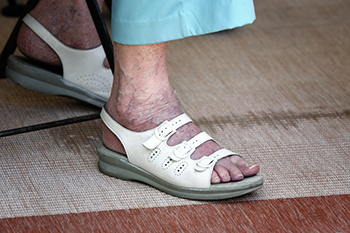
Foot pain is a common issue among the elderly, and it can make it harder for them to move around and enjoy life. Scientists have been studying the connection between how our feet work as a link of foot problems in older people. They found that as we get older, our feet tend to get stiffer, have less movement, and become weaker. Our feet also tend to tilt inward which can make walking less efficient and cause foot pain. All these changes can make it difficult to perform everyday activities that involve standing or walking. Additionally, It can increase the chance of falling. If you have foot pain and are older or taking care of someone who is elderly, it is suggested that you make an appointment with a podiatrist for an examination which can determine the cause of existing foot conditions, and correct treatment to make movement more comfortable.
If you have any concerns about your feet, contact Scott Matthews, DPM, MD from Salem Foot Care . Our doctor can provide the care you need to keep you pain-free and on your feet.
Biomechanics in Podiatry
Podiatric biomechanics is a particular sector of specialty podiatry with licensed practitioners who are trained to diagnose and treat conditions affecting the foot, ankle and lower leg. Biomechanics deals with the forces that act against the body, causing an interference with the biological structures. It focuses on the movement of the ankle, the foot and the forces that interact with them.
A History of Biomechanics
Modern technological improvements are based on past theories and therapeutic processes that provide a better understanding of podiatric concepts for biomechanics. Computers can provide accurate information about the forces and patterns of the feet and lower legs.
Understanding biomechanics of the feet can help improve and eliminate pain, stopping further stress to the foot.
If you have any questions please feel free to contact our office located in Wikesboro, NC . We offer the newest diagnostic and treatment technologies for all your foot and ankle needs.

Custom orthotics, or shoe inserts, should be periodically replaced. Orthotics must fit properly to give you the best results. Protect your feet and ankles!
Connect With Us
