Connect With Us



If you are suffering from tenderness, pain, or stiffness in the joints of your feet or ankles, call us to schedule an appointment.
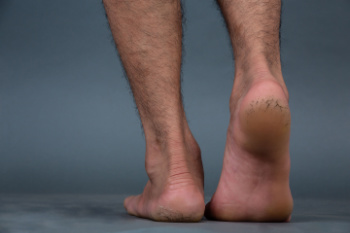
Cracked heels occur when the skin on the heels becomes dry, thickened, and splits. These cracks can cause discomfort and lead to infections if left untreated. The primary causes of cracked heels include dry skin, which reduces skin elasticity, and excessive pressure from standing or walking for long periods. Poor footwear choices, such as shoes that do not provide adequate support, can worsen the condition. Certain medical conditions like diabetes and eczema can also contribute to cracked heels, as they affect the skin’s ability to retain moisture. Obesity adds extra pressure on the feet, increasing the risk of cracks or fissures. Additionally, hydration is essential for maintaining skin health, and drinking sufficient water helps prevent the skin from drying out and cracking. Cracked heels can be painful and make it difficult to complete daily activities. If you have developed this condition, it is suggested that you consult a podiatrist who can successfully treat this ailment, which may include prescribed medication.
If the skin on your feet starts to crack, you may want to see a podiatrist to find treatment. If you have any concerns, contact Scott Matthews, DPM, MD from Salem Foot Care . Our doctor can provide the care you need to keep you pain-free and on your feet.
Cracked Heels
It is important to moisturize your cracked heels in order to prevent pain, bleeding, and infection. The reason cracked heels form is because the skin on the foot is too dry to support the immense pressure placed on them. When the foot expands, the dry skin on the foot begins to split.
Ways to Help Heal Them
Ways to Prevent Cracked Heels
If you are unsure how to proceed in treating cracked heels, seek guidance from a podiatrist. Your doctor will help you with any questions or information you may need.
If you have any questions, please feel free to contact our office located in Wikesboro, NC . We offer the newest diagnostic and treatment technologies for all your foot care needs.
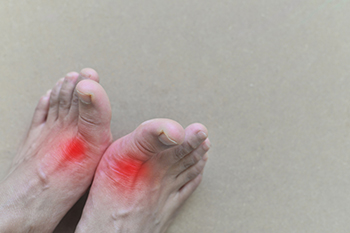
Gout is a form of arthritis that occurs when uric acid builds up in the bloodstream, forming crystals in the joints. It often affects the big toe but can also impact the ankles and other joints. Gout is more common in men, especially those over 40, and people with conditions like obesity, high blood pressure, or diabetes are at a higher risk. Symptoms of gout include sudden, intense pain, swelling, redness, and warmth in the affected joint, often occurring at night. The pain can be excruciating, and even the lightest touch can feel unbearable. Gout attacks typically last for a few days but can recur if untreated. Treatment involves medications to reduce inflammation and lower uric acid levels. Lifestyle changes, such as avoiding alcohol and foods high in purines, are also recommended. A podiatrist can help manage gout symptoms, offer pain relief strategies, and provide advice on footwear. If you are experiencing this condition, it is suggested that you make an appointment with a this type of doctor.
Gout is a painful condition that can be treated. If you are seeking treatment, contact Scott Matthews, DPM, MD from Salem Foot Care . Our doctor will treat your foot and ankle needs.
What Is Gout?
Gout is a form of arthritis that is characterized by sudden, severe attacks of pain, redness, and tenderness in the joints. The condition usually affects the joint at the base of the big toe. A gout attack can occur at any random time, such as the middle of the night while you are asleep.
Symptoms
Risk Factors
Prior to visiting your podiatrist to receive treatment for gout, there are a few things you should do beforehand. If you have gout you should write down your symptoms--including when they started and how often you experience them, important medical information you may have, and any questions you may have. Writing down these three things will help your podiatrist in assessing your specific situation so that he or she may provide the best route of treatment for you.
If you have any questions, please feel free to contact our office located in Wikesboro, NC . We offer the newest diagnostic and treatment technologies for all your foot care needs.
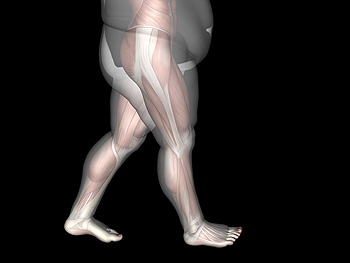
Carrying extra weight can place added stress on the lower limbs, which may contribute to discomfort like joint pain, flat feet, or plantar fasciitis. This strain on the knees, ankles, and feet can sometimes lead to arthritis, or make existing conditions feel worse. When surgery on the lower limbs is needed, the healing process may take longer due to the extra pressure on the area. For those living with diabetes or peripheral neuropathy, carrying additional weight may increase the chance of delayed healing or issues like ulcers due to reduced circulation and sensation. If you are experiencing foot or ankle pain, relief is possible with immobilization of the ankle, which can help reduce strain and promote healing. If you are a person carrying excess weight and you are struggling with lower extremity problems, it is suggested that you see a podiatrist for compassionate, personalized care to address your concerns, and help keep your feet and ankles healthy and strong.
Obesity has become very problematic at this point in time and can have extremely negative effects on the feet. If you’re an obese individual and are concerned about your feet, contact Scott Matthews, DPM, MD from Salem Foot Care . Our doctor can provide the care you need to keep you pain-free and on your feet.
Obesity and Your Feet
Since your feet are what support your entire weight when standing, any additional weight can result in pain and swelling. Being overweight is one of the main contributors to foot complications.
Problems & Complications
Extra Weight – Even putting on just a few extra pounds could create serious complications for your feet. As your weight increases, your balance and body will shift, creating new stresses on your feet. This uneven weight distribution can cause pain, even while doing the simplest tasks, such as walking.
Diabetes – People who are overweight are at serious risk of developing type-2 diabetes, which has a drastic impact on the health of your feet. As you get older, your diabetes might worsen, which could lead to loss of feeling in your feet, sores, and bruises. You could also become more prone to various infections.
Plantar fasciitis – Pressure and stress that is placed on muscles, joints, and tendons can trigger plantar fasciitis, which is an inflammation of tissue that forms along the bottom of the foot.
If you have any questions please feel free to contact our office located in Wikesboro, NC . We offer the newest diagnostic and treatment technologies for all your foot and ankle needs.
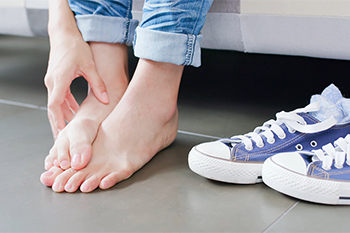
Athlete's foot is a fungal infection that affects the skin on your feet, often between the toes, however, there is also a moccasin variety that affects the bottom of the feet. It is caused by dermatophytes, fungi that thrive in warm, moist environments, such as sweaty shoes or locker rooms. The condition is highly contagious and can spread through direct contact with infected surfaces or people. Common symptoms of athlete's foot include itching, burning, peeling, and redness. In more severe cases, the skin may crack, blister, or become painful. It can also spread to the toenails or other areas of the body if left untreated. Treatment typically involves antifungal creams or powders, which help eliminate the infection. Keeping your feet dry and wearing breathable shoes are also key to preventing reinfection. In stubborn cases, a podiatrist may prescribe stronger antifungal medications or recommend a more tailored treatment plan. If you are experiencing symptoms of athlete's foot, it is suggested that you schedule an appointment with a podiatrist for proper diagnosis and treatment.
Athlete’s Foot
Athlete’s foot is often an uncomfortable condition to experience. Thankfully, podiatrists specialize in treating athlete’s foot and offer the best treatment options. If you have any questions about athlete’s foot, consult with Scott Matthews, DPM, MD from Salem Foot Care . Our doctor will assess your condition and provide you with quality treatment.
What Is Athlete’s Foot?
Tinea pedis, more commonly known as athlete’s foot, is a non-serious and common fungal infection of the foot. Athlete’s foot is contagious and can be contracted by touching someone who has it or infected surfaces. The most common places contaminated by it are public showers, locker rooms, and swimming pools. Once contracted, it grows on feet that are left inside moist, dark, and warm shoes and socks.
Prevention
The most effective ways to prevent athlete’s foot include:
Symptoms
Athlete’s foot initially occurs as a rash between the toes. However, if left undiagnosed, it can spread to the sides and bottom of the feet, toenails, and if touched by hand, the hands themselves. Symptoms include:
Diagnosis and Treatment
Diagnosis is quick and easy. Skin samples will be taken and either viewed under a microscope or sent to a lab for testing. Sometimes, a podiatrist can diagnose it based on simply looking at it. Once confirmed, treatment options include oral and topical antifungal medications.
If you have any questions, please feel free to contact our office located in Wikesboro, NC . We offer the newest diagnostic and treatment technologies for all your foot care needs.
Connect With Us
