
You don't need an excuse to have beautiful nails. Step outside without worrying about the appearance of your feet.
You don't need an excuse to have beautiful nails. Step outside without worrying about the appearance of your feet.

Selecting proper shoes for children between 12 and 24 months is important as they begin walking and developing balance. First walker shoes should provide protection while allowing natural foot movement. Qualities to look for include a sturdy leather upper that offers support, and easy closures such as velcro for a secure fit. Additional things to look for are a flexible outsole that bends with the foot, and a roomy toe box that allows toes to spread comfortably. Shoes that are too tight or stiff can interfere with proper development and cause discomfort. A podiatrist can assess foot growth, ensure proper fit, and recommend appropriate footwear for healthy development. Early guidance helps support strong and stable walking patterns. If you have concerns about what type of shoes your child should wear, it is suggested that you consult a podiatrist who can guide you in the right direction.
Making sure that your children maintain good foot health is very important as they grow. If you have any questions, contact Scott Matthews, DPM, MD of Salem Foot Care . Our doctor can provide the care you need to keep you pain-free and on your feet.
Keeping Children's Feet Healthy
Having healthy feet during childhood can help prevent medical problems later in life, namely in the back and legs. As children grow, their feet require different types of care. Here are some things to consider...
Although babies do not walk yet, it is still very important to take care of their feet.
Avoid putting tight shoes or socks on his or her feet.
Allow the baby to stretch and kick his or her feet to feel comfortable.
As a toddler, kids are now on the move and begin to develop differently. At this age, toddlers are getting a feel for walking, so don’t be alarmed if your toddler is unsteady or ‘walks funny’.
As your child gets older, it is important to teach them how to take care of their feet.
Show them proper hygiene to prevent infections such as fungus.
Be watchful for any pain or injury.
Have all injuries checked by a doctor as soon as possible.
Comfortable, protective shoes should always be worn, especially at play.
If you have any questions, please feel free to contact our office located in Wikesboro, NC . We offer the newest diagnostic and treatment technologies for all your foot care needs.
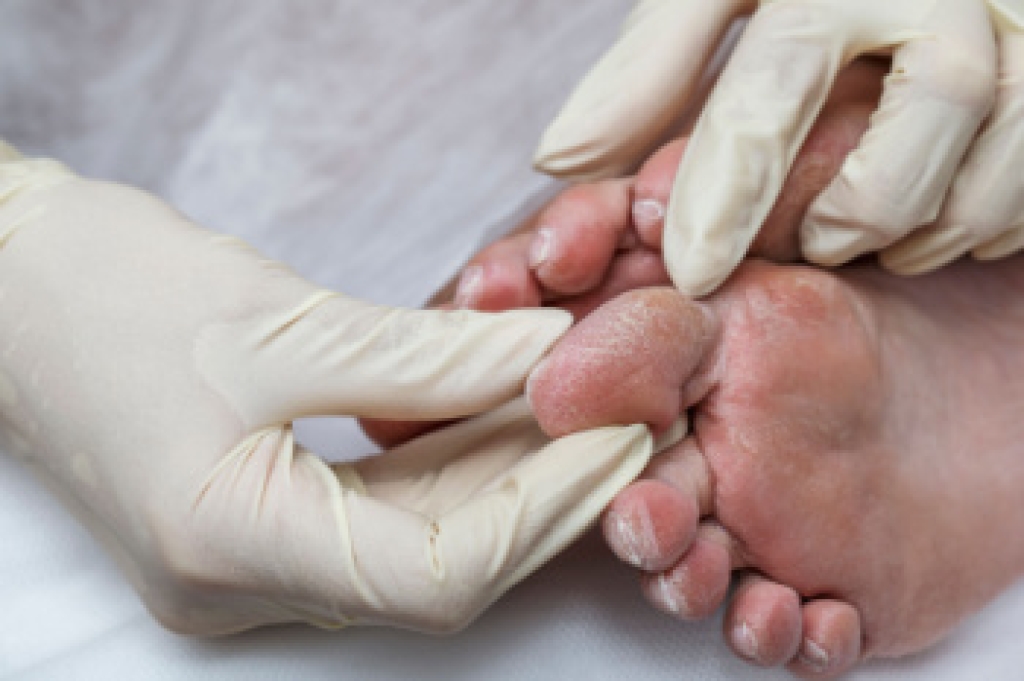
Foot problems are common in individuals with diabetes due to nerve damage and poor circulation that reduce sensation and slow healing. Preventing complications begins with regular foot checks and proper testing to detect changes early. A monofilament test evaluates protective sensation by applying light pressure to the skin, helping identify loss of feeling. A tuning fork test assesses vibration sense, which may decline with nerve damage. A pinprick test checks the ability to feel sharp sensations, and an ankle jerk reflex test evaluates nerve response and function. These assessments help detect early signs of neuropathy and reduce the risk of foot ulcers or infection. A podiatrist can perform these evaluations and provide ongoing care. If you have foot problems related to diabetes, it is strongly suggested that you care under the care of a podiatrist who can help you to manage this serious condition.
Diabetic foot care is important in preventing foot ailments such as ulcers. If you are suffering from diabetes or have any other concerns about your feet, contact Scott Matthews, DPM, MD from Salem Foot Care . Our doctor can provide the care you need to keep you pain-free and on your feet.
Diabetic Foot Care
Diabetes affects millions of people every year. The condition can damage blood vessels in many parts of the body, especially the feet. Because of this, taking care of your feet is essential if you have diabetes, and having a podiatrist help monitor your foot health is highly recommended.
The Importance of Caring for Your Feet
Patients with diabetes should have their doctor monitor their blood levels, as blood sugar levels play such a huge role in diabetic care. Monitoring these levels on a regular basis is highly advised.
It is always best to inform your healthcare professional of any concerns you may have regarding your feet, especially for diabetic patients. Early treatment and routine foot examinations are keys to maintaining proper health, especially because severe complications can arise if proper treatment is not applied.
If you have any questions, please feel free to contact our office located in Wikesboro, NC . We offer the newest diagnostic and treatment technologies for all your foot care needs.
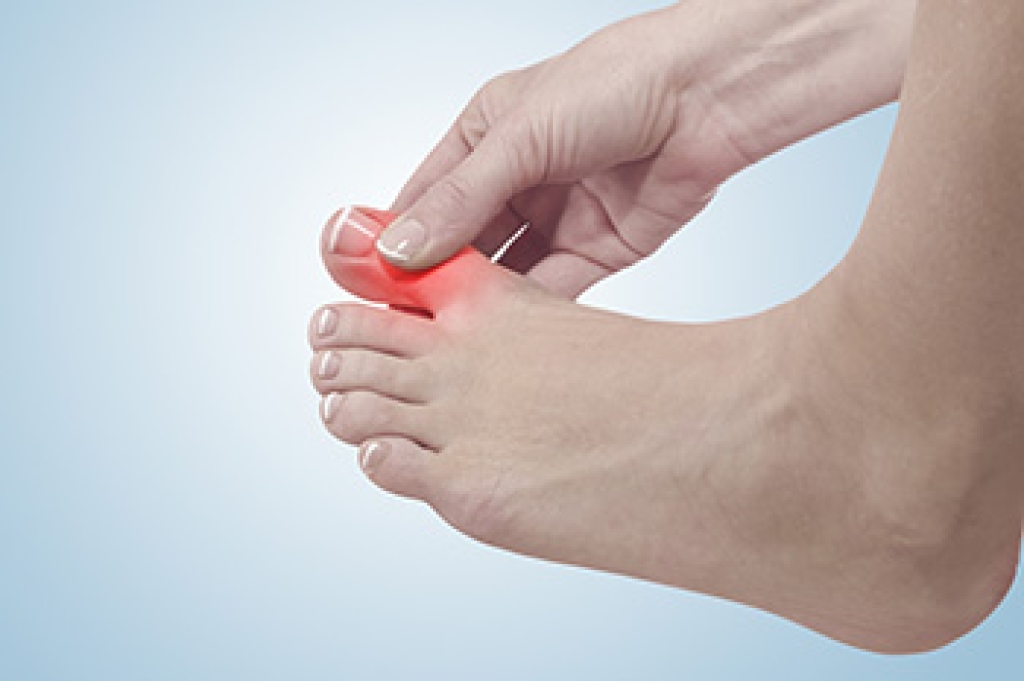
Gout is a form of inflammatory arthritis that occurs when uric acid builds up in the bloodstream and forms crystals within a joint, often affecting the big toe. This can cause sudden and intense pain along with redness, warmth, and swelling that may develop quickly and make walking or wearing shoes difficult. The joint may look inflamed and feel extremely tender, even with light pressure. A podiatrist can play an important role in identifying gout, helping to manage symptoms early and coordinating with other providers if testing is needed. Treatment typically focuses on reducing inflammation and relieving pain with appropriate medication while also protecting the joint during flare-ups. A podiatrist can also recommend proper footwear, activity adjustments, and strategies to reduce stress on the affected area to help prevent future episodes. If you have gout, it is suggested that you make an appointment with a podiatrist.
Gout is a painful condition that can be treated. If you are seeking treatment, contact Scott Matthews, DPM, MD from Salem Foot Care . Our doctor will treat your foot and ankle needs.
What Is Gout?
Gout is a form of arthritis that is characterized by sudden, severe attacks of pain, redness, and tenderness in the joints. The condition usually affects the joint at the base of the big toe. A gout attack can occur at any random time, such as the middle of the night while you are asleep.
Symptoms
Risk Factors
Prior to visiting your podiatrist to receive treatment for gout, there are a few things you should do beforehand. If you have gout you should write down your symptoms--including when they started and how often you experience them, important medical information you may have, and any questions you may have. Writing down these three things will help your podiatrist in assessing your specific situation so that he or she may provide the best route of treatment for you.
If you have any questions, please feel free to contact our office located in Wikesboro, NC . We offer the newest diagnostic and treatment technologies for all your foot care needs.
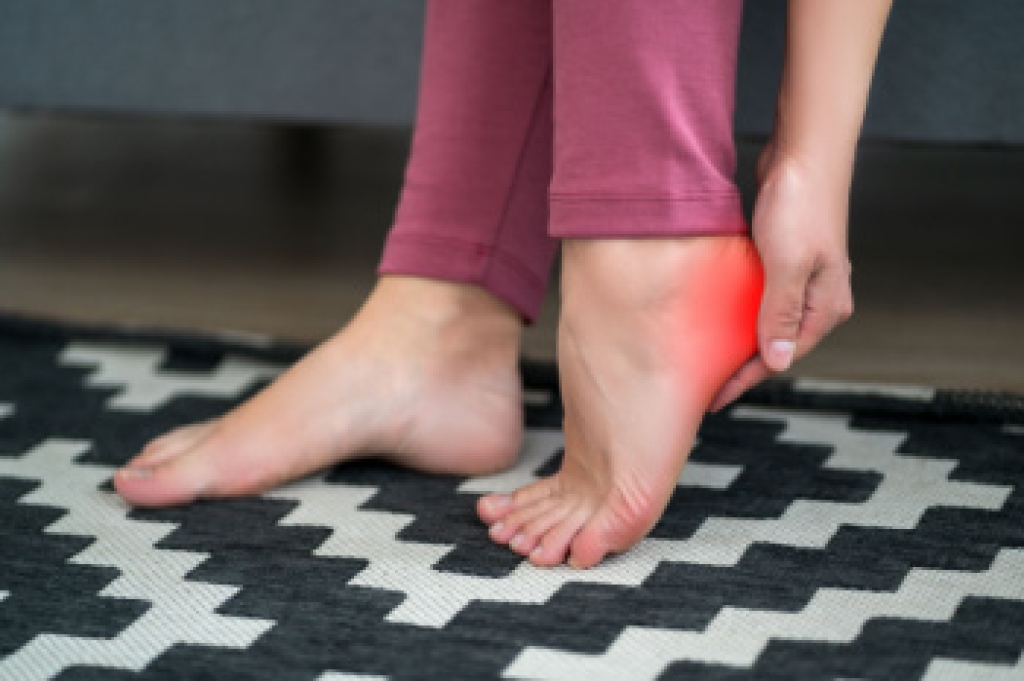
Heel bone spurs are growths that form on the underside or back of the heel, often developing gradually due to repeated strain on the foot. They are commonly associated with plantar fasciitis, where ongoing tension on the plantar fascia leads to calcium deposits building up over time. Many people do not notice the spur itself, but instead feel sharp or aching pain in the heel, especially with the first steps in the morning or after rest. Contributing causes include long periods of standing, improper footwear, flat feet or high arches, and tight calf muscles that increase stress on the heel. The area may feel tender and sore, though the spur is not always visible externally. A podiatrist can diagnose heel spurs through examination and X-rays. Treatment focuses on reducing strain with supportive shoes, custom orthotics, and targeted exercises. If you have heel pain related to bone spurs, it is suggested that you make an appointment with a podiatrist.
Heel spurs can be incredibly painful and sometimes may make you unable to participate in physical activities. To get medical care for your heel spurs, contact Scott Matthews, DPM, MD from Salem Foot Care . Our doctor will do everything possible to treat your condition.
Heels Spurs
Heel spurs are formed by calcium deposits on the back of the foot where the heel is. This can also be caused by small fragments of bone breaking off one section of the foot, attaching onto the back of the foot. Heel spurs can also be bone growth on the back of the foot and may grow in the direction of the arch of the foot.
Older individuals usually suffer from heel spurs and pain sometimes intensifies with age. One of the main condition's spurs are related to is plantar fasciitis.
Pain
The pain associated with spurs is often because of weight placed on the feet. When someone is walking, their entire weight is concentrated on the feet. Bone spurs then have the tendency to affect other bones and tissues around the foot. As the pain continues, the feet will become tender and sensitive over time.
Treatments
There are many ways to treat heel spurs. If one is suffering from heel spurs in conjunction with pain, there are several methods for healing. Medication, surgery, and herbal care are some options.
If you have any questions, please feel free to contact our office located in Wikesboro, NC . We offer the newest diagnostic and treatment technologies for all your foot care needs.
Connect With Us


