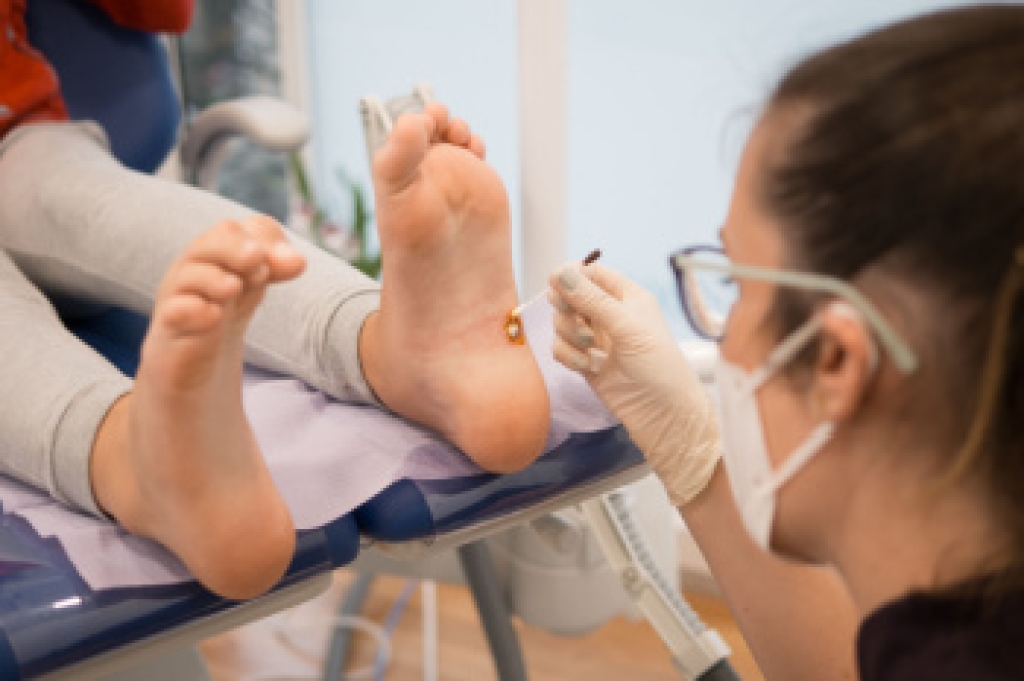
How to Treat Plantar Warts

Plantar warts, also called verrucas, are thickened skin growths that develop on the soles of the feet and toes. They are caused by human papillomavirus, or HPV, which infects the skin’s outer layer. The virus can spread through direct contact with infected skin scales on damp public floors, including changing rooms, showers, and swimming-pool areas. Plantar warts can also spread to nearby skin through scratching or rubbing. They are not hereditary and are non-cancerous. A wart can be small or grow larger than one centimeter, and some appear in tightly packed groups called mosaic warts.

Plantar warts can develop anywhere on the sole, but those on weight-bearing areas can become uncomfortable or painful when walking. Their surface can look rough and raised, and tiny black dots can appear inside the growth. These dots are small, clotted blood vessels. A podiatrist can examine the area and determine whether the growth is a plantar wart or another problem, like a corn. This distinction matters because the conditions require different care. Some plantar warts disappear without treatment, while others remain stubborn. Warts can also return after successful treatment because treatment does not prevent a new HPV infection.

A podiatrist can recommend treatment when a plantar wart causes pain, spreads, or interferes with daily activity. Treatment can include salicylic-acid preparations, cryotherapy, or other office-based methods. Cryotherapy uses liquid nitrogen to freeze the wart and can cause temporary soreness or blistering. Surgery is another option for selected stubborn warts. Treatment results vary, and no method guarantees permanent clearance. Podiatrists can also advise patients on reducing pressure on painful areas and lowering the chance of spreading the virus. If you have developed one or more plantar warts, it is suggested that you schedule an appointment with a podiatrist for effective relief, treatment, and prevention tips.

Plantar warts can be very uncomfortable. If you need your feet checked, contact Scott Matthews, DPM, MD from Salem Foot Care . Our doctor will assist you with all of your foot and ankle needs.

About Plantar Warts

Plantar warts are the result of HPV, or human papillomavirus, getting into open wounds on the feet. They are mostly found on the heels or balls of the feet.

While plantar warts are generally harmless, those experiencing excessive pain or those suffering from diabetes or a compromised immune system require immediate medical care. Plantar warts are easily diagnosed, usually through scraping off a bit of rough skin or by getting a biopsy.

Symptoms

  • Lesions on the bottom of your feet, usually rough and grainy
  • Hard or thick callused spots
  • Wart seeds, which are small clotted blood vessels that look like little black spots
  • Pain, discomfort, or tenderness of your feet when walking or standing

Treatment

  • Freezing
  • Electric tool removal
  • Laser Treatment
  • Topical Creams (prescription only)
  • Over-the-counter medications

To help prevent developing plantar warts, avoid walking barefoot over abrasive surfaces that can cause cuts or wounds for HPV to get into. Avoiding direct contact with other warts, as well as not picking or rubbing existing warts, can help prevent the further spread of plantar warts. However, if you think you have developed plantar warts, speak to your podiatrist. He or she can diagnose the warts on your feet and recommend the appropriate treatment options.

If you have any questions, please feel free to contact our office located in Wikesboro, NC . We offer the newest diagnostic and treatment technologies for all your foot care needs.

Read more about Plantar Warts

Are You Suffering From Ingrown Toenails?

If left untreated, an ingrown toenail can lead to more serious concerns, such as an infection. Knowing proper nail care can help in the prevention of an ingrown toenail. Give us a call, and get treated!

Causes and Symptoms of Morton’s Neuroma

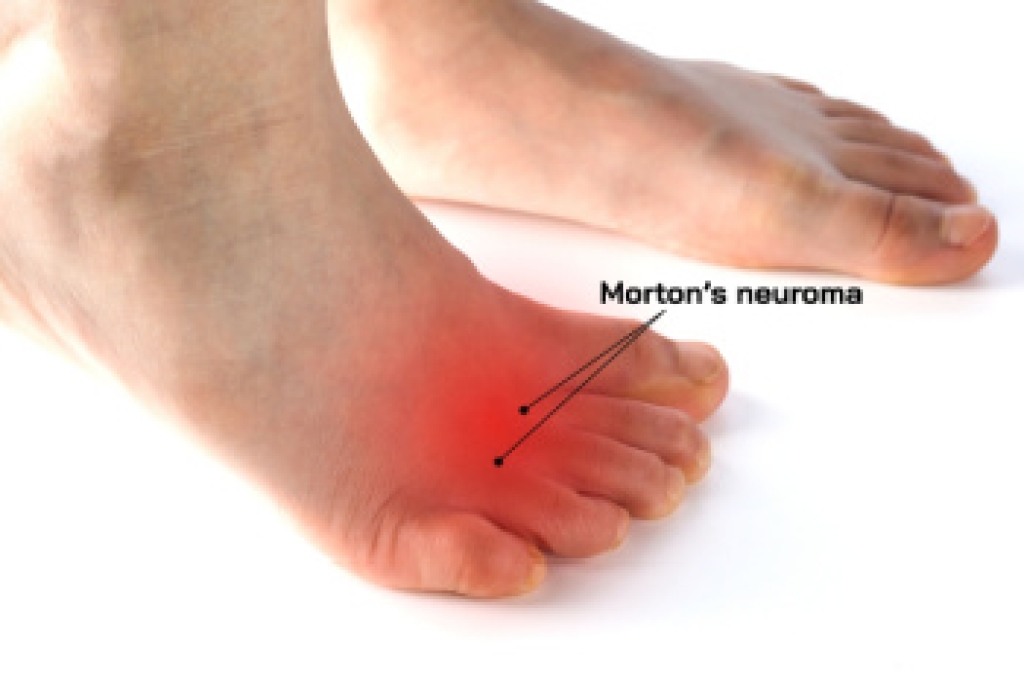
Morton’s neuroma develops when tissue around a nerve in the ball of the foot becomes thick and irritated. It usually affects the space between the third and fourth toes. Despite its name, it is not a tumor or a form of cancer. Symptoms include burning pain, tingling, or numbness in the forefoot. It may feel as though a pebble is trapped beneath the foot or a fold has formed inside the sock. The discomfort can become sharper when standing, walking, or placing pressure on the affected area.

Pressure on the forefoot can contribute to this nerve problem. Shoes with a narrow toe box or high heels can squeeze the toes and place stress on the ball of the foot. Running and other high-impact activities can also irritate the area through repeated pressure. Certain foot shapes can raise the risk, including flat feet, high arches, and bunions. Hammertoes can also change how weight moves across the forefoot. Because symptoms can resemble a stress fracture or another nerve disorder, an accurate diagnosis is important before treatment begins.

A podiatrist examines the foot, reviews the symptoms, and presses areas to locate the source of pain. X-rays can help rule out bone problems, while an ultrasound can provide a closer view of the irritated nerve. Treatment from a podiatrist includes orthotics that reduce pressure beneath the forefoot. The podiatrist can also recommend shoes with a roomy toe box and proper support. Injections can reduce inflammation around the nerve. When these measures do not provide enough relief, surgery can release pressure on the nerve or remove the damaged portion. The best approach depends on the severity of the symptoms and how long they have been present. Early evaluation can help prevent irritation and make walking more comfortable. If you have pain in this part of your foot, it is suggested that you consult a podiatrist who can accurately diagnose and treat Morton’s neuroma. 

Morton’s neuroma is a very uncomfortable condition to live with. If you think you have Morton’s neuroma, contact Scott Matthews, DPM, MD of Salem Foot Care . Our doctor will attend to all of your foot care needs and answer any of your related questions.  

Morton’s Neuroma

Morton's neuroma is a painful foot condition that commonly affects the areas between the second and third or third and fourth toe, although other areas of the foot are also susceptible. Morton’s neuroma is caused by an inflamed nerve in the foot that is being squeezed and aggravated by surrounding bones.

What Increases the Chances of Having Morton’s Neuroma?

  • Ill-fitting high heels or shoes that add pressure to the toe or foot
  • Jogging, running or any sport that involves constant impact to the foot
  • Flat feet, bunions, and any other foot deformities

Morton’s neuroma is a very treatable condition. Orthotics and shoe inserts can often be used to alleviate the pain on the forefront of the feet. In more severe cases, corticosteroids can also be prescribed. In order to figure out the best treatment for your neuroma, it’s recommended to seek the care of a podiatrist who can diagnose your condition and provide different treatment options.

If you have any questions, please feel free to contact our office located in Wikesboro, NC . We offer the newest diagnostic and treatment technologies for all your foot care needs.
Read more about Morton's Neuroma

Common Causes of Foot Pain

Foot pain can make walking, standing, and everyday movement more difficult. It may begin suddenly after an injury or develop gradually and continue for a longer period. Sudden, or acute, foot pain is often related to injuries such as muscle strains, sprains, or fractures. People who are physically active, work demanding jobs, or experience falls may have a greater chance of these injuries. A fracture can sometimes be mistaken for a sprain. This can make a professional evaluation more important when pain is severe or does not improve as expected.


Long-lasting, or chronic, foot pain can have more complex causes. Arthritis may cause painful inflammation in joints that receive frequent use while standing and walking. Some chronic foot pain can also begin outside the foot. Problems involving the spine may place pressure on nerves and cause discomfort that travels into the legs and feet. Nerve-related pain can also occur when a nerve becomes compressed or does not function normally. Because this type of pain may travel from one area to another, identifying its actual source can be challenging without a medical evaluation.


A podiatrist can evaluate foot pain to determine whether it is related to an injury, joint problem, or another underlying issue. The examination may include assessing the location of the pain, how it affects movement, and whether additional testing is needed. Once the cause is identified, a podiatrist can recommend appropriate foot pain treatment, based on the type and severity of the problem. Professional care is especially important when discomfort lasts, interferes with walking, or follows a significant injury. Early evaluation may also help prevent an untreated injury from becoming a more serious problem. If persistent foot pain is affecting your ability to walk or complete daily activities, it is suggested that you consult a podiatrist for an evaluation and appropriate treatment options.

Foot Pain

Foot pain can be extremely painful and debilitating. If you have a foot pain, consult with Scott Matthews, DPM, MD from Salem Foot Care . Our doctor will assess your condition and provide you with quality foot and ankle treatment.

Causes

Foot pain is a very broad condition that could be caused by one or more ailments. The most common include:

  • Bunions
  • Hammertoes
  • Plantar Fasciitis
  • Bone Spurs
  • Corns
  • Tarsal Tunnel Syndrome
  • Ingrown Toenails
  • Arthritis (such as Gout, Rheumatoid, and Osteoarthritis)
  • Flat Feet
  • Injury (from stress fractures, broken toe, foot, ankle, Achilles tendon ruptures, and sprains)
  • And more

Diagnosis

To figure out the cause of foot pain, podiatrists utilize several different methods. This can range from simple visual inspections and sensation tests to X-rays and MRI scans. Prior medical history, family medical history, and any recent physical traumatic events will all be taken into consideration for a proper diagnosis.

Treatment

Treatment depends upon the cause of the foot pain. Whether it is resting, staying off the foot, or having surgery; podiatrists have a number of treatment options available for foot pain.

If you have any questions, please feel free to contact our office located in Wikesboro, NC . We offer the newest diagnostic and treatment technologies for all your foot care needs.

Read more about Foot Pain

How Safe Is Running During Pregnancy?

Pregnancy brings many changes to the body, but many women can continue running when their obstetrician says it is safe. As the baby grows, extra body weight and shifting balance place more stress on the feet, ankles, and lower legs. Hormones also loosen the body's ligaments, which are strong bands of tissue that support joints. This natural change helps prepare the body for childbirth, but it can reduce foot stability while running. Some women notice sore arches, heel pain, or ankle discomfort. Others develop swelling that changes how their shoes fit. Running in shoes that provide good support and enough room for the feet becomes even more important as pregnancy progresses. Paying attention to new pain helps prevent small problems from becoming more serious. 

A podiatrist can evaluate changes in foot structure and walking or running patterns that develop during pregnancy. The examination includes checking foot alignment, ankle stability, and areas of excess pressure. A podiatrist also looks for conditions like plantar fasciitis, tendon irritation, and stress on the joints caused by changing body weight. Custom orthotics can improve foot support and help distribute pressure more evenly. Shoe recommendations based on foot shape and running style also help improve comfort. Regular foot evaluations allow problems to be identified before they interfere with daily activities or exercise. Prompt care also reduces the chance that pain will limit healthy movement throughout pregnancy.

Running goals often change while pregnant, and comfort becomes more important than speed or distance. Many women find that adjusting their routine allows them to remain active while protecting their feet and ankles. A podiatrist works with the patient's obstetric care team to address foot concerns that develop throughout pregnancy. Professional care helps runners stay as comfortable and active as possible while protecting foot health. If you have foot pain after running while pregnant, it is suggested that you schedule an appointment with a podiatrist for a diagnosis and appropriate treatment.

Pregnant women with swollen feet can be treated with a variety of different methods that are readily available. For more information about other cures for swollen feet during pregnancy, consult with Scott Matthews, DPM, MD from Salem Foot Care . Our doctor will attend to all of your foot and ankle needs.

What Foot Problems Can Arise During Pregnancy?

One problem that can occur is overpronation, which occurs when the arch of the foot flattens and tends to roll inward.  This can cause pain and discomfort in your heels while you’re walking or even just standing up, trying to support your baby.  

Another problem is edema, or swelling in the extremities. This often affects the feet during pregnancy but tends to occur in the later stages. 

How Can I Keep My Feet Healthy During Pregnancy?

  • Wearing orthotics can provide extra support for the feet and help distribute weight evenly
  • Minimize the amount of time spent walking barefoot
  • Wear shoes with good arch support
  • Wear shoes that allow for good circulation to the feet
  • Elevate feet if you experience swelling
  • Massage your feet
  • Get regular, light exercise, such as walking, to promote blood circulation to the feet

If you have any questions, please feel free to contact our office located in Wikesboro, NC . We offer the newest diagnostic and treatment technologies for all your foot care needs.

Read more about Pregnancy and Foot Health

Connect With Us

scroll to top