
Custom orthotics, or shoe inserts, should be periodically replaced. Orthotics must fit properly to give you the best results. Protect your feet and ankles!
Custom orthotics, or shoe inserts, should be periodically replaced. Orthotics must fit properly to give you the best results. Protect your feet and ankles!
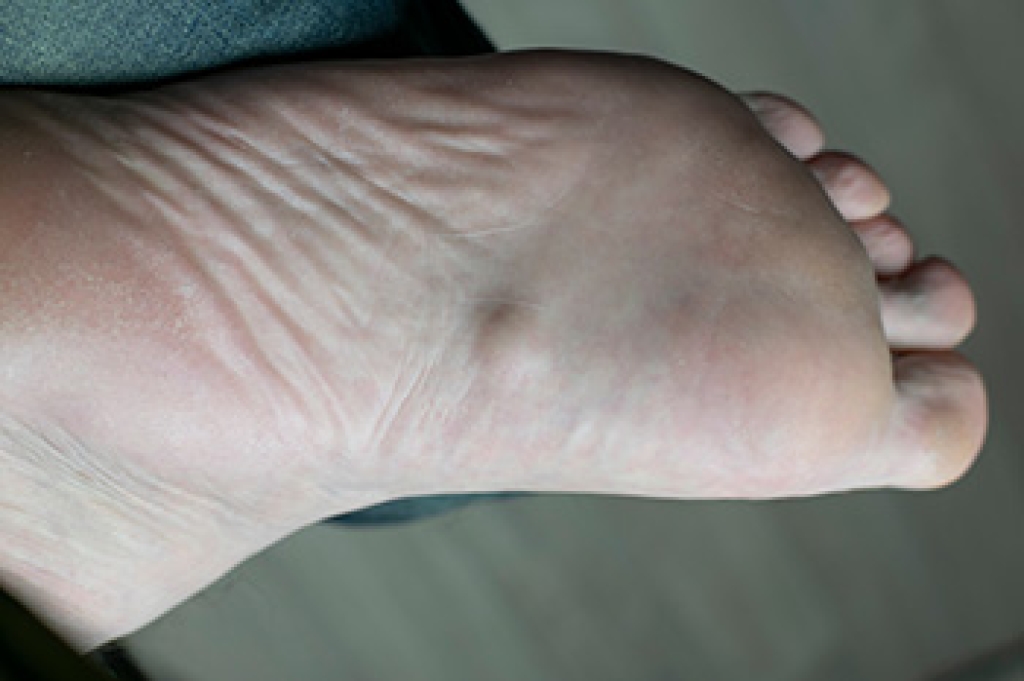
A plantar fibroma is a benign growth that develops within the plantar fascia, which is the thick band of tissue along the bottom of the foot. This condition is part of a group of disorders known as plantar fibromatosis and is characterized by the formation of firm nodules. These growths are non-cancerous, but can cause discomfort depending on their size and location. Plantar fibromas often develop slowly and may go unnoticed at first, but they can become more noticeable over time as pressure is applied during walking or standing.
Symptoms of a plantar fibroma include a small, firm lump in the arch of the foot that can be felt through the skin. The growth may be painless in the early stages but can lead to discomfort as it enlarges. Some individuals experience aching or pressure when walking, especially while wearing shoes that press against the arch. The appearance of the fibroma is typically a raised nodule under the skin, and it may feel fixed in place rather than movable. In certain cases, multiple nodules may develop, which can increase discomfort.
The exact causes of plantar fibroma are not fully understood, but several factors are believed to contribute. Repetitive stress on the foot, minor injuries, and strain on the plantar fascia may play a role in its development. Genetics may also influence the likelihood of developing this condition. Risk factors include high levels of physical activity, prolonged standing, and underlying health conditions that affect connective tissue. Men are more commonly affected than women, and the condition is often seen in middle-aged adults.
Managing plantar fibroma focuses on reducing discomfort and preventing progression. Wearing supportive footwear and custom orthotics can help relieve pressure on the affected area. Monitoring changes in size or pain can help guide treatment decisions. If you have developed a plantar fibroma, it is suggested that you consult a podiatrist for effective management solutions.
A plantar fibroma may disrupt your daily activities. If you have any concerns, contact Scott Matthews, DPM, MD of Salem Foot Care . Our doctor can provide the care you need to keep you pain-free and on your feet.
Plantar Fibroma
A plantar fibroma is a fibrous knot in the arch of the foot. It is embedded in the plantar fascia which is a band of tissue that extends from the heel to the toes along the bottom of the foot. There can be multiple plantar fibromas in the feet at the same time. There are no known causes for this condition. If you have a plantar fibroma, there will be a bump in the arch of your foot that cannot be missed. Any associated pain is most often due to a shoe rubbing against the nodule. Non-surgical options, such as steroid injections, physical therapy, and orthotics should be tried first. Surgery is a last resort and is the only thing that will remove a plantar fibroma entirely. Consult with a podiatrist for a proper diagnosis and to determine the treatment regimen that is right for you.
What Causes a Plantar Fibroma?
While there are no specific causes identified, a plantar fibroma can possibly come from genetic predisposition or the formation of scar tissue that forms from healing the tears in the plantar fascia.
What Are the Symptoms of a Plantar Fibroma?
There will be a noticeable lump in the arch of the foot that may or may not cause pain. If pain is felt, it is typically because a shoe is rubbing up against the lump or when walking or standing barefoot.
Treatment and Prevention
A plantar fibroma will not disappear without treatment, but it can get smaller and be a non-issue. If pain persists, a podiatrist examines the foot and when the arch of the foot is pressed, pain can be felt down to the toes. An MRI or biopsy might be performed to help diagnose or evaluate the plantar fibroma. The following non-surgical options are generally enough to reduce the size and pain of these nodules:
Surgery is considered if the mass increases in size and the patient continues to feel pain after non-surgical methods are tried.
If you have any questions, please feel free to contact our office located in Wikesboro, NC . We offer the newest diagnostic and treatment technologies for all your foot care needs.
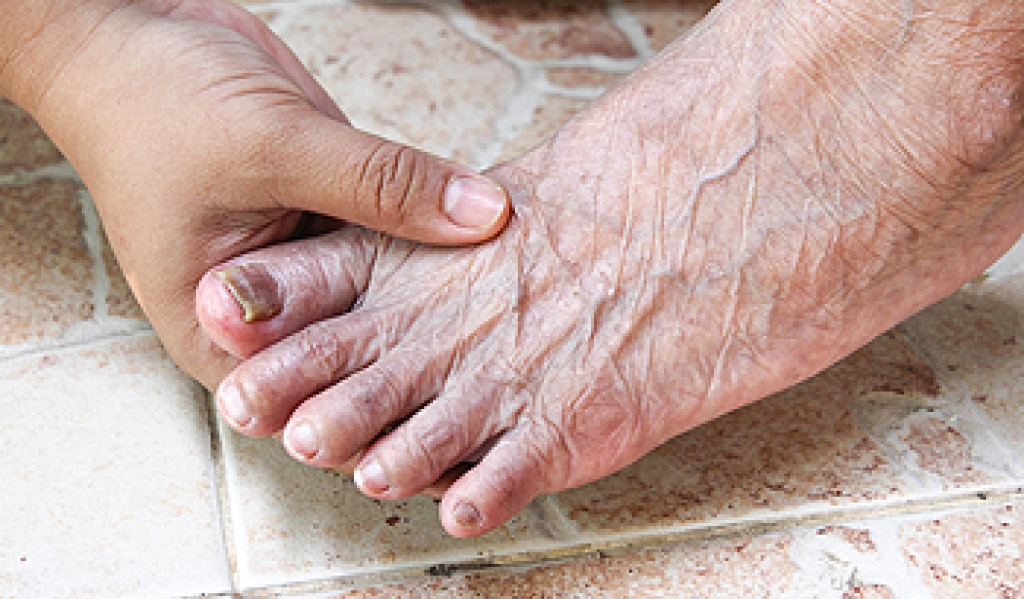
A broken or detached toenail occurs when part or all of the nail separates from the skin beneath it. The damage can cause pain, bleeding, and swelling. Dark discoloration can also develop. A loose nail can catch on socks and shoes, which can tear the skin below. Causes include stubbing the toe, dropping a heavy object on it, or repeated pressure from wearing tight shoes. Fungal infections can weaken and thicken the nail until it cracks or lifts. Skin conditions like psoriasis can affect nail growth and cause separation. A detached toenail can take up to 18 months to grow back.
A podiatrist should examine a damaged nail when there is severe pain, bleeding, or a dark area beneath it. An examination can show how much of the nail remains attached and whether the nail bed is injured. The podiatrist can also check for a broken toe or signs of infection. These signs include redness, warmth, and drainage. Patients with diabetes, poor blood flow, or reduced feeling in the feet should seek prompt care for a toenail injury. Even a small wound can become serious when healing is slow or the injury goes unnoticed.
Treatment depends on the cause and extent of the damage. A podiatrist can smooth sharp edges, trim loose portions, and protect exposed tissue. When blood trapped beneath the nail creates pressure, the podiatrist can drain it through a tiny opening. Testing a nail sample can identify a fungal infection and guide treatment. If the nail is badly damaged or infected, removing part or all of it can help the area heal. The podiatrist can also explain whether the nail is likely to return normally. Follow-up visits allow the doctor to watch for infection and check new nail growth. Well-fitted shoes can reduce pressure on the healing toe and help prevent another injury. If you have problematic toenails, it is suggested that you schedule an appointment with a podiatrist for a diagnosis and appropriate treatment.
Toe pain can disrupt your daily activities. If you have any concerns, contact Scott Matthews, DPM, MD of Salem Foot Care . Our doctor can provide the care you need to keep you pain-free and on your feet.
What Causes Toe Pain?
Most severe toe pain is caused due to a sports injury, trauma from dropping something heavy on the toe, or bumping into something rigid. Other problems can develop over time for various reasons.
Toe pain can be caused by one or more ailments. The most common include:
When to See a Podiatrist
Diagnosis
In many cases the cause of toe pain is obvious, but in others, a podiatrist may want to use more advanced methods to determine the problem. These can range from simple visual inspections and sensation tests to X-rays and MRI scans. Prior medical history, family medical history, and any recent physical traumatic events will all be taken into consideration for a proper diagnosis.
Treatment
Treatments for toe pain and injuries vary and may include shoe inserts, padding, taping, medicines, injections, and in some cases, surgery. If you believe that you have broken a toe, please see a podiatrist as soon as possible.
If you have any questions please contact our office located in Wikesboro, NC . We offer the newest diagnostic and treatment technologies for all your foot and ankle needs.
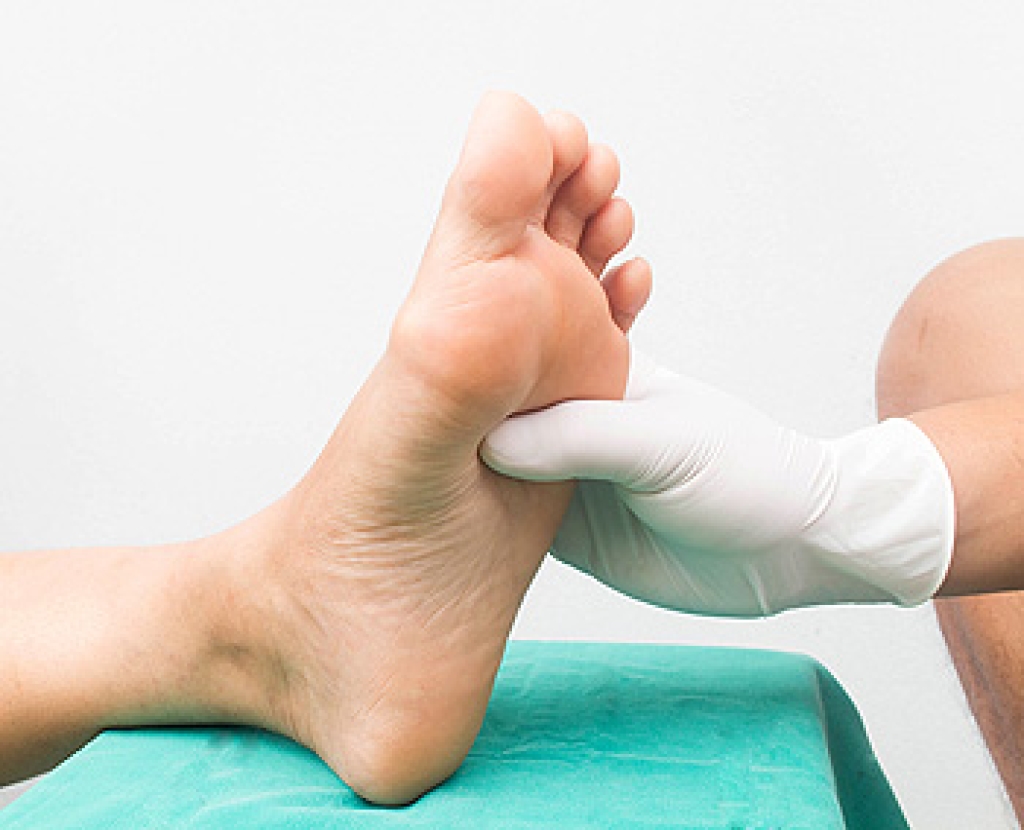
Diabetic neuropathy develops when high blood sugar damages nerves, especially those that reach the feet. Symptoms include numbness, tingling, and burning pain. Some patients also notice sharp pain or unusual sensitivity to light pressure. Others lose enough feeling that they do not notice a blister, cut, or sore. This loss of protective sensation raises the risk of infection and slow-healing wounds. Muscle weakness can also change the way the feet move and place extra pressure on certain areas. Although symptoms can affect one foot more than the other, they frequently appear in both feet and become more noticeable at night.
A podiatrist can check for diabetic neuropathy through a detailed health history and a foot examination. The examination looks at the skin, nails, and shape of each foot. It also checks circulation, muscle strength, and reflexes. A thin nylon tool called a monofilament tests whether the patient can feel gentle pressure. A tuning fork can help measure the ability to sense vibration. These simple tests show whether protective feeling has decreased and whether a wound is more likely to develop. The podiatrist also looks for calluses, pressure points, and open sores that could become serious without prompt treatment.
Podiatric care focuses on protecting the feet and lowering the chance of complications. A podiatrist can trim thick or difficult nails, treat corns, and reduce heavy calluses safely. Regular examinations allow small skin changes or wounds to be identified before they become harder to manage. The podiatrist can provide properly fitted diabetic shoes or custom orthotics to reduce pressure and improve stability. Wounds can be cleaned, protected, and monitored for signs of infection. When circulation problems or severe nerve changes are suspected, the podiatrist can coordinate further testing with the patient’s diabetes-care team. If you have foot problems related to diabetes, it is suggested that you are under the care of a podiatrist who can help you to manage this serious condition.
Diabetic foot care is important in preventing foot ailments such as ulcers. If you are suffering from diabetes or have any other concerns about your feet, contact Scott Matthews, DPM, MD from Salem Foot Care . Our doctor can provide the care you need to keep you pain-free and on your feet.
Diabetic Foot Care
Diabetes affects millions of people every year. The condition can damage blood vessels in many parts of the body, especially the feet. Because of this, taking care of your feet is essential if you have diabetes, and having a podiatrist help monitor your foot health is highly recommended.
The Importance of Caring for Your Feet
Patients with diabetes should have their doctor monitor their blood levels, as blood sugar levels play such a huge role in diabetic care. Monitoring these levels on a regular basis is highly advised.
It is always best to inform your healthcare professional of any concerns you may have regarding your feet, especially for diabetic patients. Early treatment and routine foot examinations are keys to maintaining proper health, especially because severe complications can arise if proper treatment is not applied.
If you have any questions, please feel free to contact our office located in Wikesboro, NC . We offer the newest diagnostic and treatment technologies for all your foot care needs.

Extensor tendonitis causes pain on the top of the foot due to inflammation of the tendons responsible for lifting the toes. These tendons play a vital role in maintaining balance and proper stride during running. When they become overworked or irritated, discomfort can develop. This condition is often seen in runners who place repeated stress on their feet. Learning the definition and causes of extensor tendonitis can help prevent injury and support long term activity.
Common symptoms include aching or sharp pain along the top of the foot, especially during or after running. The affected area may feel sore to the touch and may show mild swelling. Some individuals experience increased discomfort while wearing tight shoes, or when bending the foot upward. Symptoms may worsen with continued activity and improve with rest. Recognizing these warning signs early can help reduce the risk of further damage.
Risk factors for extensor tendonitis include overtraining, sudden increases in activity, and wearing improper footwear. Shoes that are too tight across the top of the foot can create pressure and irritation. Running on hard or uneven surfaces may also contribute to strain. Poor flexibility and lack of proper warm up can increase susceptibility. These factors place stress on the tendons and can lead to inflammation over time.
Managing this condition involves addressing the underlying causes and allowing the tendons to recover. Wearing properly fitted shoes and adjusting lacing can reduce pressure. Rest and gradual return to activity can support healing. Stretching exercises can improve flexibility and reduce tension in the tendons. Seeking podiatric care ensures accurate diagnosis and effective treatment. If you have pain on the top of your foot while running, it is suggested that you consult a podiatrist who can offer effective relief and treatment solutions.
Foot Pain
Foot pain can be extremely painful and debilitating. If you have a foot pain, consult with Scott Matthews, DPM, MD from Salem Foot Care . Our doctor will assess your condition and provide you with quality foot and ankle treatment.
Causes
Foot pain is a very broad condition that could be caused by one or more ailments. The most common include:
Diagnosis
To figure out the cause of foot pain, podiatrists utilize several different methods. This can range from simple visual inspections and sensation tests to X-rays and MRI scans. Prior medical history, family medical history, and any recent physical traumatic events will all be taken into consideration for a proper diagnosis.
Treatment
Treatment depends upon the cause of the foot pain. Whether it is resting, staying off the foot, or having surgery; podiatrists have a number of treatment options available for foot pain.
If you have any questions, please feel free to contact our office located in Wikesboro, NC . We offer the newest diagnostic and treatment technologies for all your foot care needs.
Connect With Us


